
Premium
Media Transcriber
Transcribe video and audio into readable text, captions, and subtitle-ready files for real-world media workflows.

Calamnet is the playground where creativity meets purpose.
A growing collection of professional tools for developers, designers, and accessibility specialists. Transform complex content into accessible, standards-compliant, and modern formats.
Premium applications
Create, learn, transcribe, and work through more involved tasks with Calamnet's premium applications.
Transcribe video and audio into readable text, captions, and subtitle-ready files for real-world media workflows.
AI-powered writing assistant for editing, summarizing, condensing, enhancing, simplifying, and generating content.
Explain it to me like I’m a monkey holding a banana—simplify difficult ideas, check your reasoning, and uncover what you may be missing.
Step-by-step guides and tutorials to help you get the most out of Calamnet.
October 16, 2026 Resource
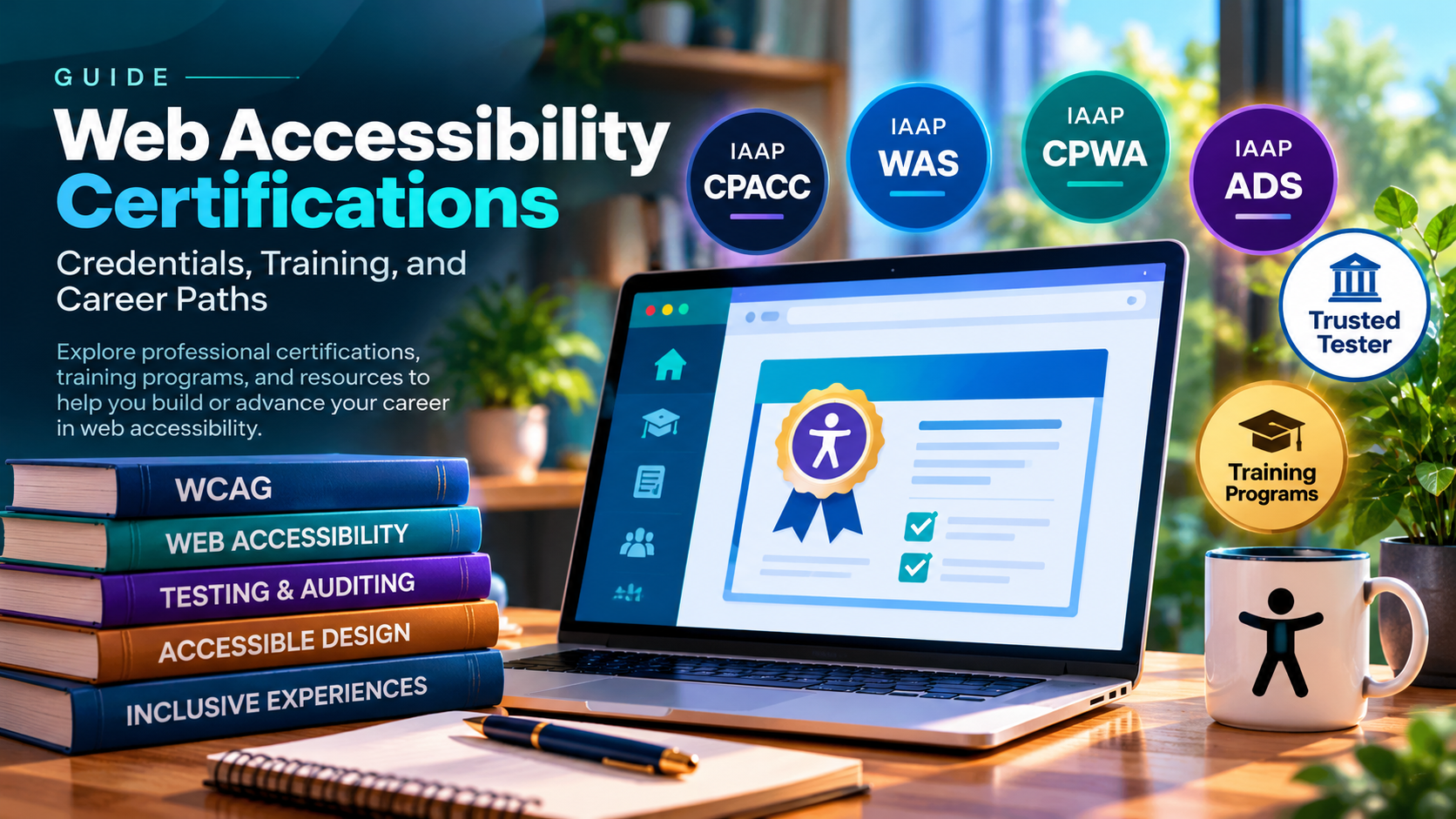
This guide explores the certifications, credentials, and training programs available to professionals working in web accessibility. It covers recognized qualifications such as IAAP's CPACC, WAS, and CPWA certifications, the DHS Trusted Tester program, and educational opportunities from Deque University and W3C. Readers will learn how these programs differ, which credentials align with specific career paths, and what to consider when evaluating costs, prerequisites, and renewal requirements. The guide also explains the important distinction between professional certification and website accessibility conformance, helping developers, designers, auditors, and accessibility advocates make informed decisions about their professional development.
Read guide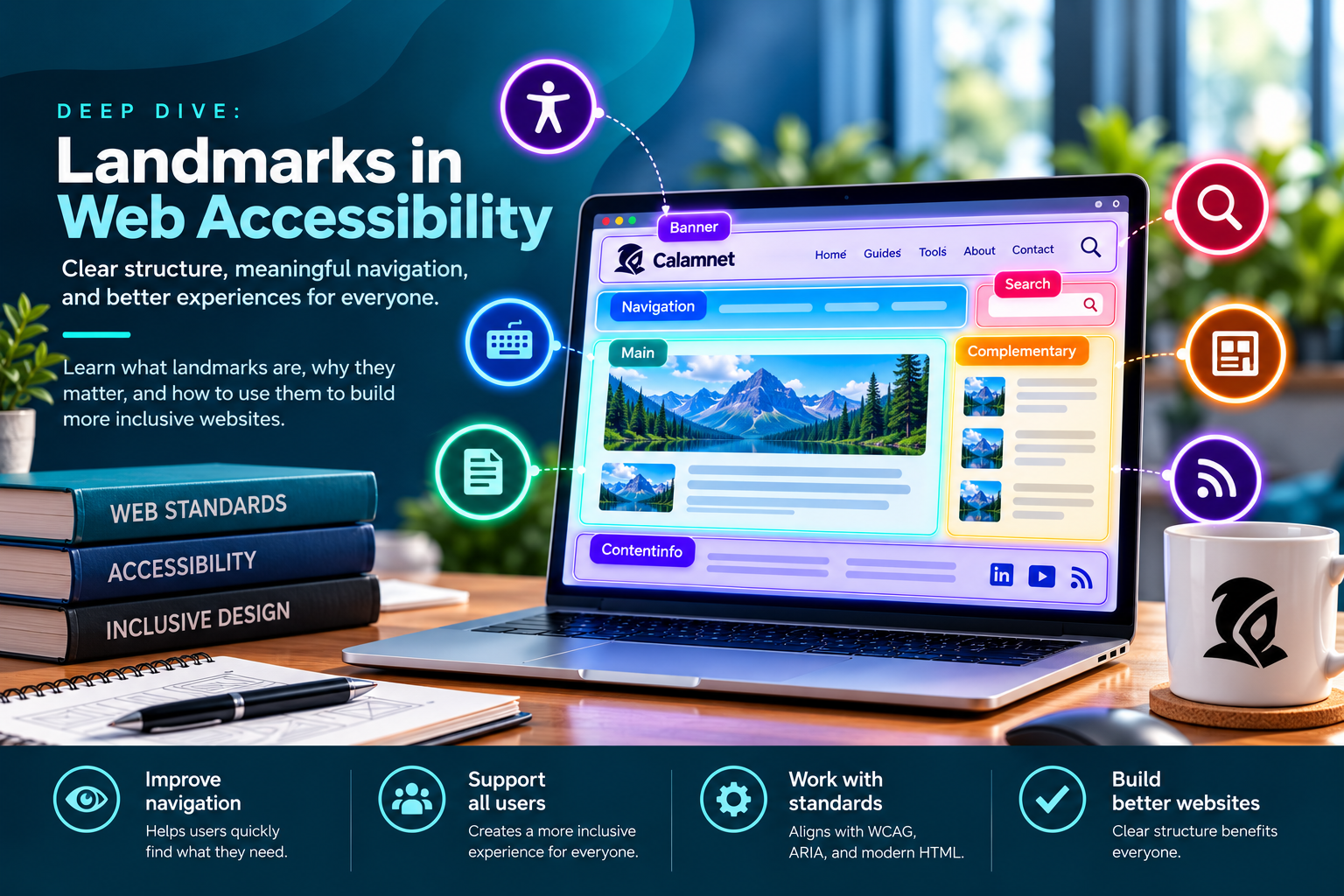
October 9, 2026 In-depth
This deep dive explores how accessible landmarks give web pages meaningful programmatic structure beyond their visual layout. It explains how semantic HTML and ARIA landmarks help assistive technology users identify and navigate major page regions such as headers, navigation, search, main content, complementary content, and footers. The guide examines landmarks in relation to WCAG 2.4.1 Bypass Blocks, 1.3.1 Info and Relationships, and 1.3.6 Identify Purpose, while covering native HTML semantics, labeling multiple landmarks, landmark overload, headings, skip links, common implementation mistakes, and practical testing techniques.
Read guide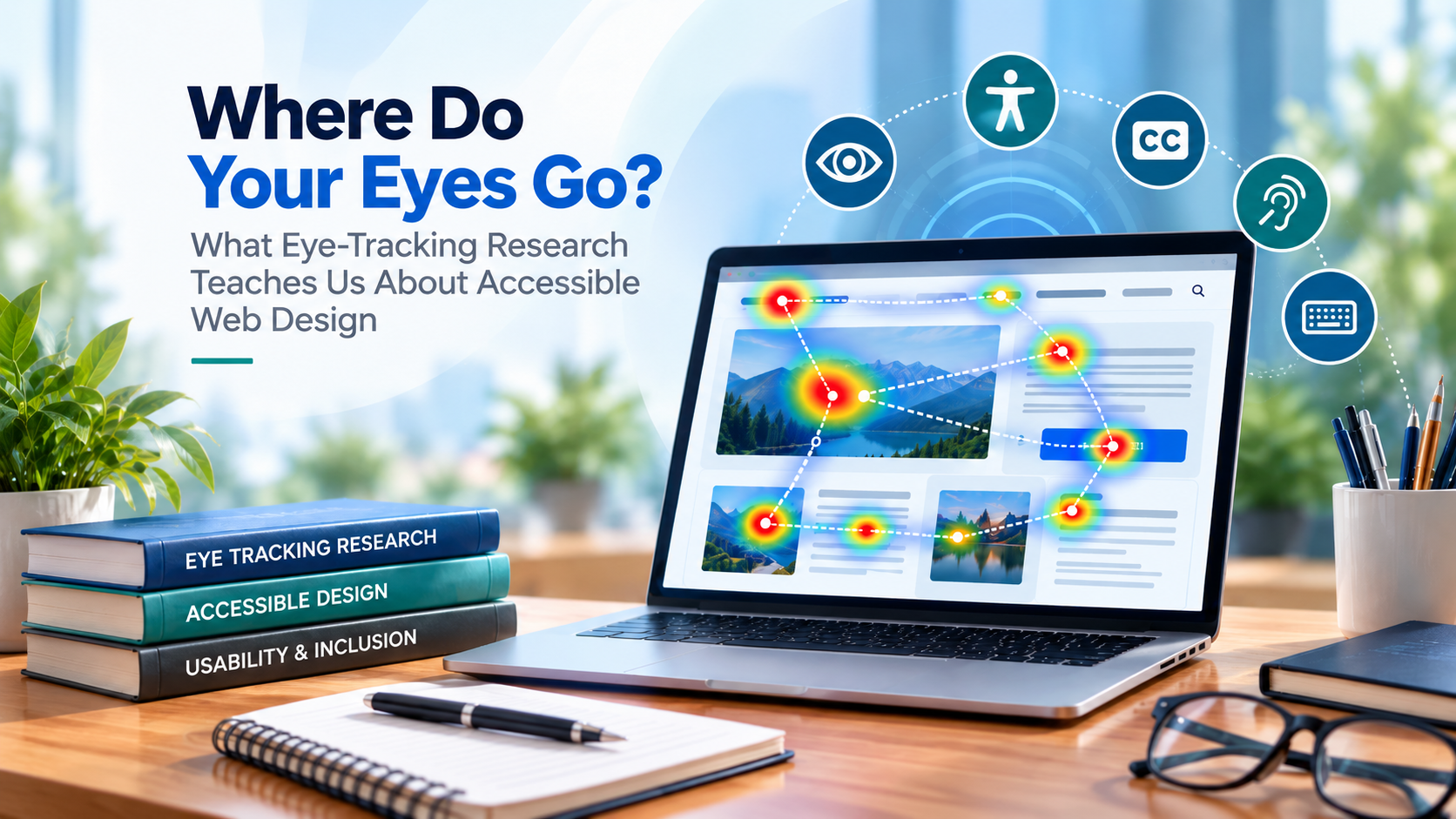
September 29, 2026 Guide
This guide explores what recent eye-tracking research can teach us about accessible web design. It examines how people visually navigate websites, recognize links and controls, process text, respond to visual complexity, and experience images and navigation. The research highlights the importance of clear visual hierarchy, discoverable interactions, readable content, and reducing unnecessary visual competition, while also showing how factors such as dyslexia, age, language proficiency, and individual differences can affect visual behavior. The guide also explains the limitations of eye tracking and why it should complement and not replace accessibility standards, assistive technology testing, and testing with disabled users.
Read guideExplore AI-powered applications and browser-based utilities for writing, learning, media, accessibility, design, and development.